
Moving in the Rain: The Guide to a Dry Relocation

Let’s face it: If you live in the Willamette Valley, you can’t pause your life just because it’s raining.
In Salem and Portland, we get an average of 40 to 45 inches of rain a year. Most of that falls between October and May—coincidentally, a time when many people need to move. Whether you are relocating to a new build in West Salem or an apartment in Keizer, there is a high probability that moving day will be a wet one.
The good news? Rain doesn’t have to mean ruined rugs or water-damaged wood.
At Summit Moving & Storage, we perform hundreds of moves in the pouring rain every year. We’ve mastered the art of the "dry transition." Here is how you (and your movers) can beat the weather.
1. Floor Protection is Non-Negotiable
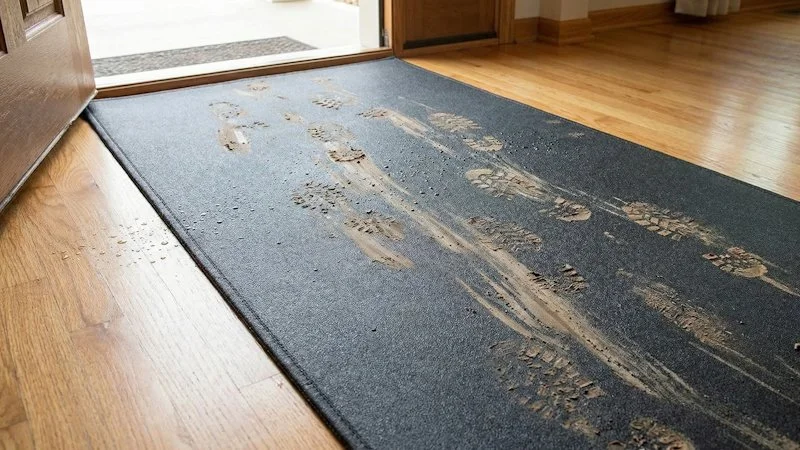
The biggest enemy during a rainy move isn't actually the water falling from the sky—it’s the mud on the ground.
One trip from the truck to your living room with muddy boots can ruin a cream-colored carpet.
The Amateur Mistake: Laying down old cardboard boxes. Once cardboard gets wet, it turns into a soggy pulp that can actually stain your floors.
The Pro Move: We use Neoprene Floor Runners. These are heavy-duty, rubberized mats that roll out from the front door all the way to the main rooms. They are waterproof, slip-resistant, and ensure that mud never touches your hardwoods or carpet.
If you are moving yourself, buy a "surface protector" roll from a hardware store. Do not rely on towels; they bunch up and become tripping hazards.
2. Shrink Wrap is Your Best Friend
You know that giant roll of plastic wrap? You’re going to need more of it.
When we move upholstered furniture—like sofas, mattresses, or fabric dining chairs—we don’t just carry them out. We wrap them entirely in industrial-grade plastic shrink wrap inside the house before we ever open the front door.
This creates a watertight seal. Even if the walk to the truck involves a downpour, the furniture inside remains bone-dry.
Tip: For wood furniture (dressers, nightstands), use a moving pad (blanket) first, then wrap it in plastic. If you put plastic directly on wood and it gets trapped with moisture/condensation, it can sometimes damage the finish. The blanket acts as a breathable buffer.
3. The "wipe-Down" Station
If you are moving into a home with a garage (common in South Salem or Dallas, OR), back the truck as close to the garage door as possible. Use the garage as a staging area.
However, if you have to use the front door, set up a "Wipe-Down Station" in the entryway. Keep a stack of dry, old towels ready. As soon as plastic bins or furniture pieces come through the door, give them a quick wipe before they are carried to their final room. This prevents water from dripping onto your new bedroom floors.
4. Prioritize the "Essentials" Bag
When it’s raining, moving is physically draining. You will be cold, and you might get wet.
Pack a specific waterproof bag (a duffel bag or a plastic tote) that stays in your personal car—not the moving truck. It should contain:
Two fresh pairs of socks for everyone (nothing is worse than wet socks).
A change of clothes.
Towels.
Hot coffee or tea in a thermos.
Having dry socks available halfway through the day is a morale booster you shouldn't underestimate!
5. Watch the Slopes
The Willamette Valley has terrain. If you are moving to the hilly streets of West Salem or the sloped driveways near Corban University, wet concrete becomes a slip-and-slide.
Check your driveway for moss before moving day. Oregon moss + rain = ice-like conditions. A quick pressure wash or a stiff broom sweep a few days before the move can prevent a serious injury for you or your movers.
Summary: Don't Let the Drizzle Stress You Out
Moving in the rain is just part of being an Oregonian. It requires a little more prep and the right gear, but it is entirely manageable.
If the forecast looks grim and you don’t want to haul heavy boxes down a slippery ramp, give us a call. Our trucks are leak-proof, our crews are equipped with floor protection, and we’re used to the weather.
Stay dry and let us handle the heavy lifting. Request a Rainy Day Quote Here